
Monday, 23 April 2012
How to buy Curaderm
Why buy Curaderm from our website?We are a distributor for Curaderm BEC5 (Curaderm) and not a wholesaler. So ... http://p.ost.im/p/ebw9LK

Sunday, 22 April 2012
Can Curasol BEC be used as a diagnostic tool for Keratoses and Skin Cancer?
Curasol BEC contains the anticancer ingredient BEC which is used in Curaderm BEC5. The BEC glycoalkaloids al ... http://p.ost.im/p/egejex
Friday, 20 April 2012
What is the difference between a sun spot, age spot and liver spot?
What is the difference between Age Spots, Sun Spots Liver Spots?If you enjoy the sun and do not protect your ... http://p.ost.im/p/egyubU
Wednesday, 18 April 2012
Intralesion & Curaderm Compared Treatment of Large Skin Cancers
Intralesion and Curaderm BEC5 Topical Combination Therapies of Solasodine Rhamnosly Glycosides Derived from Egg ... http://p.ost.im/p/ebtYL3
Saturday, 14 April 2012
Are there other creams available?
Various unscrupulous companies have preyed on the results of the extensive work done with Curaderm and are making false claims that their products are equivalent or better than Curaderm.
Little or no studies have been done with these products and these companies are cleverly attempting to deceive the public by associating Dr Cham’s published work in their advertising material. It appears that there are no limits for supplying fraudulent information for what we assume is to become rich.
As described in other articles on our website, it is not a simple matter of having glycoalkaloids in a cream or gel and this will simply treat skin cancer. Cancer is a serious condition. A tremendous amount of careful work was done to obtain these purified glycoalkaloids without traces of their inhibitors (interfering substances) from the plant materials, also known as "Free Sugars". If this preparation is not properly completed, the end product will be useless, as experienced by patients who have been cleverly enticed to use counterfeit products.
Some products out there that claim to be like Curaderm BEC5 and other creams will eat your skin away, not only destroying the cancer cells but the good skin cells as well. These products do not no when to stop and will leave you with horrible burn like scars.
Little or no studies have been done with these products and these companies are cleverly attempting to deceive the public by associating Dr Cham’s published work in their advertising material. It appears that there are no limits for supplying fraudulent information for what we assume is to become rich.
As described in other articles on our website, it is not a simple matter of having glycoalkaloids in a cream or gel and this will simply treat skin cancer. Cancer is a serious condition. A tremendous amount of careful work was done to obtain these purified glycoalkaloids without traces of their inhibitors (interfering substances) from the plant materials, also known as "Free Sugars". If this preparation is not properly completed, the end product will be useless, as experienced by patients who have been cleverly enticed to use counterfeit products.
Some products out there that claim to be like Curaderm BEC5 and other creams will eat your skin away, not only destroying the cancer cells but the good skin cells as well. These products do not no when to stop and will leave you with horrible burn like scars.
Please be careful if you choose to experiment or use other products. Other products can act as amino suppressants causing immediate and long term health issues. Many blogs can be found online in regards to the negatives of using Aldara and Black Salves on the internet.
Thursday, 12 April 2012
Do I keep the lesion covered up during treatment?
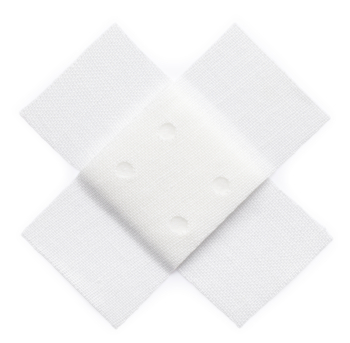 It is necessary to keep the lesion covered during treatment with a tape or a medical pad for larger lesions.
These products are obtainable from your local pharmacy.
This helps protect the lesion during it during treatment, soak up any discharge and also keeps the Curaderm on the lesion.
Tuesday, 10 April 2012
What will happen if I use Curaderm BEC5 and it is not reconstituted?
Curaderm BEC5 is made up of many complex ingredients that are designed to deliver the glycoalkaloids effectively.
If these ingredients separate in your Curaderm you may only be applying one part of the cream and therefore not receive the full effect of the treatment.
This is why you should shake you bottle of Curaderm when you receive it to check that it has not been exposed to high temperatures and to find out if it needs to be reconstituted. Always store your Curaderm BEC5 in the fridge.
How do I know if my Curaderm BEC5 has separated and needs reconstituting?
If you suspect your Curaderm has separated, you can confirm this by shaking the bottle. If it has been separated you will hear sloppy liquid.
When the Curaderm cream is constituted (together) it does not make a noise when you shake it, you will not hear sloppy liquid.
What if my Curaderm BEC5 has been exposed to hot temperatures?
Curaderm BEC5 can be reconstituted if you receive the product and it has separated.
This is very simple to do: -
Why doesn’t Dr Bill make Curaderm BEC5 more stable in hot temperatures?
Two of the main ingredients that make Curaderm effective can not be removed to make this product more stable in hot temperatures. If they are removed Curaderm will not be as effective. Trials have been run to test this.

If these ingredients separate in your Curaderm you may only be applying one part of the cream and therefore not receive the full effect of the treatment.
This is why you should shake you bottle of Curaderm when you receive it to check that it has not been exposed to high temperatures and to find out if it needs to be reconstituted. Always store your Curaderm BEC5 in the fridge.
How do I know if my Curaderm BEC5 has separated and needs reconstituting?
If you suspect your Curaderm has separated, you can confirm this by shaking the bottle. If it has been separated you will hear sloppy liquid.
When the Curaderm cream is constituted (together) it does not make a noise when you shake it, you will not hear sloppy liquid.
What if my Curaderm BEC5 has been exposed to hot temperatures?
Curaderm BEC5 can be reconstituted if you receive the product and it has separated.
This is very simple to do: -
- Place the tube in water that is at least 60 degrees celsius (140 degrees fahrenheit) – hot tap water.
- Shake the tube vigorously for 1 minute and than place it in the freezer for at least 10 minutes.
- After this time, the cream will be ready to use.
- Then store your Curaderm BEC5 in the refrigerator.
Why doesn’t Dr Bill make Curaderm BEC5 more stable in hot temperatures?
Two of the main ingredients that make Curaderm effective can not be removed to make this product more stable in hot temperatures. If they are removed Curaderm will not be as effective. Trials have been run to test this.
Sunday, 8 April 2012
How do I store my Curaderm? Must it be kept in the fridge?
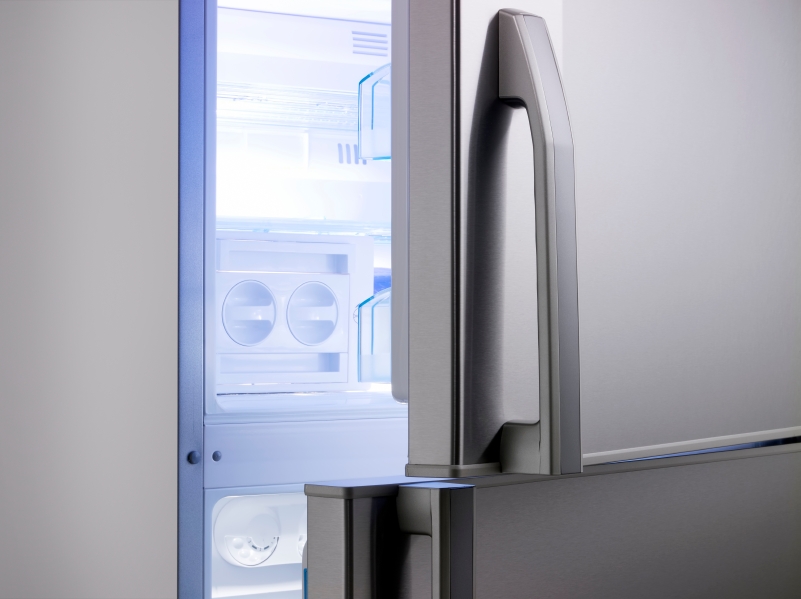 Curaderm must be kept in the fridge.
If it is exposed to an environment of 60 – 70 degree celsius (140 – 158 degrees fahrenheit) the active ingredients could separate. These temperatures can be reached in a car on a hot summers day (or during transit through the mail). Curaderm should be kept below 25 degrees celsius (77 degrees fahrenheit).
What is the shelf life of Curaderm BEC5?
The shelf life of Curaderm is 5 years if stored properly in the refrigerator. Each bottle is date stamped on the crimping.
Studies have been performed over a 5 year period with testing every 3 months to check the effectiveness of the glycosides in Curaderm and scientific studies showed that the glycosides were still effective during this 5 years period.
Friday, 6 April 2012
What other skin cancers can Curaderm treat or not treat?

Curaderm is not a recommended treatment for Melanomas.
Kaposi’s Sarcoma is a cancer cause by the HIV virus, Curaderm BEC5 can treat this cancer.
Curaderm BEC5 has been used on many cancers on the skin and most skin cancers have been found to have the receptor.
Please consult us first before using it on anything other than a Basel Cell or Squamous Cell Carcinoma.
Wednesday, 4 April 2012
How do I treat myself if I have numerous lesions?
It is best to treat one lesion first with Curaderm. Treating a large lesions or many at once many be uncomfortable for you, that is why is it best to try Curaderm on a smaller lesion first so you are aware of how the treatment works.
Treating yourself with Curaderm this way will allow you to determine your treatment comfort level and also show you how the treatment will react with your skin.
Sometimes your skin will experience a burning feeling and by treating one lesion first you will become accustomed to this sensation. After treating one cancer you may then decide to treat numerous others all at once with Curaderm.
If you have any worries during your Curaderm treatment, please send us a picture and we will advise you.
Also, having many lesion does not mean you cancer has metastasized. These are separate cancers and lesions.
Treating yourself with Curaderm this way will allow you to determine your treatment comfort level and also show you how the treatment will react with your skin.
Sometimes your skin will experience a burning feeling and by treating one lesion first you will become accustomed to this sensation. After treating one cancer you may then decide to treat numerous others all at once with Curaderm.
If you have any worries during your Curaderm treatment, please send us a picture and we will advise you.
Also, having many lesion does not mean you cancer has metastasized. These are separate cancers and lesions.
Monday, 2 April 2012
What if I apply Curaderm BEC5 to a lesion that is not cancerous?
Will it have an effect and will it cause any issues?
Unless you are taking medication or treating your skin with any other treatment/medication that will cause side effects, you will not have any issues.
What treatments/medications will cause side effects if I am using Curaderm BEC5?
Any treatment/medication that sensitises the skin such as Cortisone, Prednisone or Roaccutane.
Please do not use Curaderm if you are on treatments such as this.
If you are unsure or concerned, please confirm with your doctor if any treatments you are taking may sensitise the skin.

Unless you are taking medication or treating your skin with any other treatment/medication that will cause side effects, you will not have any issues.
What treatments/medications will cause side effects if I am using Curaderm BEC5?
Any treatment/medication that sensitises the skin such as Cortisone, Prednisone or Roaccutane.
Please do not use Curaderm if you are on treatments such as this.
If you are unsure or concerned, please confirm with your doctor if any treatments you are taking may sensitise the skin.
Saturday, 31 March 2012
Can I use Curaderm without seeing a Doctor first?
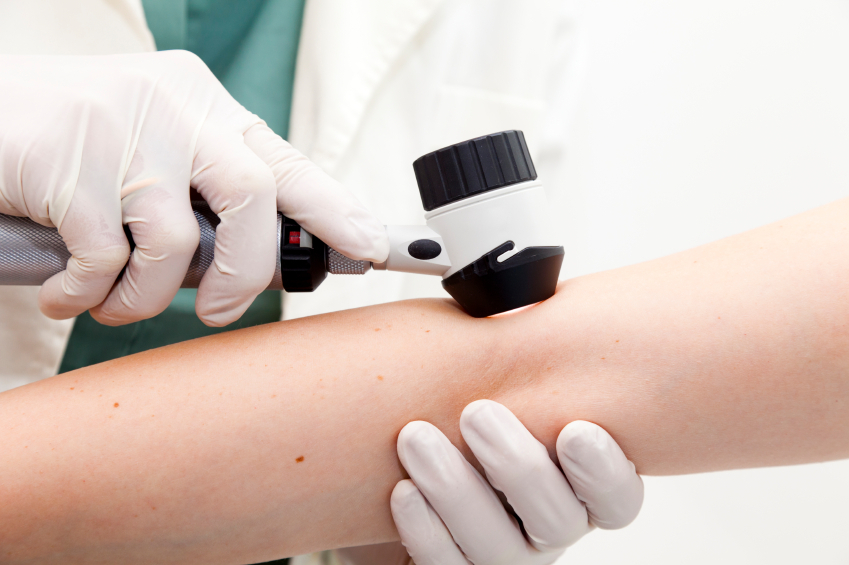
We highly recommend that you see a Doctor before you commencing treatment with Curaderm. It is recommended that you have a biopsy performed to see what type of cancer you have.
If your lesion is highly pigmented there is a possibility that the cancer could be a Melanoma. If this is the case, the cancer could metastasize and spread though the body fast. The Melanoma will need to be treated by surgery to remove the cancer as soon as possible to prevent this from happening.
We do not recommend that you use Curaderm if you have a Melanoma as it may not treat it fast enough putting you at risk of death.
If familiar with your skin lesion and can identify it as a basal cell carcinoma or a squamous cell carcinoma, you should see your Doctor first for a biopsy.
If you have a metastasized Squamous Cell Carcinoma you could also require surgery, 2 – 3% of SCCs can metastasize. This type of skin cancer can effect your lymph nodes and they may be swollen indicting that the SCC has metastasized.
If you do try Curaderm BEC5 without consulting a Doctor for a biopsy, use it first only on a small lesion to see what happens. If you are concerned, please contact our team or consult a Doctor during this test but, we do suggest you see a Doctor first for a biopsy to confirm you do not have a Melanoma.
Thursday, 29 March 2012
How long will treatment take with Curaderm?
Treatment with Curaderm varies in length. Treatment with Curaderm could take a couple of weeks or treatment could take well over a month, depending on how large the lesion is (and this is not always what you can see on the surface of the skin).
There is no fixed time for a treatment, you should only stop treatment with Curaderm when the lesion has completely healed over with skin.
The pH of the Curaderm keeps the lesion safe from infection during treatment and if you were to cease treatment early you will never know for sure if all the cancerous cells have been destroyed and hence leave yourself at an elevated risk of a reoccurrence.
I guess another reason to keep treating with Curaderm until the lesion has completely healed is because this is how Curaderm was tested during clinical trials. If you stopped treatment early then your statistical chance of success may be lower than those published about Curaderm, which has been almost 100% in some trials.

There is no fixed time for a treatment, you should only stop treatment with Curaderm when the lesion has completely healed over with skin.
The pH of the Curaderm keeps the lesion safe from infection during treatment and if you were to cease treatment early you will never know for sure if all the cancerous cells have been destroyed and hence leave yourself at an elevated risk of a reoccurrence.
I guess another reason to keep treating with Curaderm until the lesion has completely healed is because this is how Curaderm was tested during clinical trials. If you stopped treatment early then your statistical chance of success may be lower than those published about Curaderm, which has been almost 100% in some trials.

Tuesday, 27 March 2012
Is it normal for my lesion to deepen and look larger during treatment?
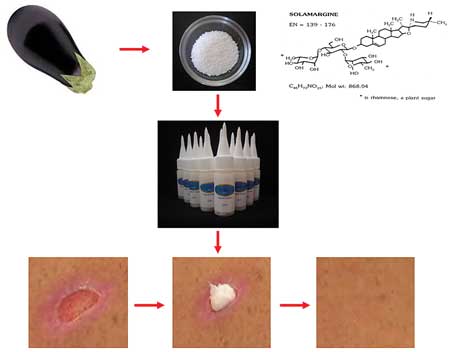
Curaderm is unique in that it only destroys cancerous cells and it will not harm healthy ones.
It is normal for your lesion to grow a bit during the initial phase of the treatment as the Curaderm is destroying the cancerous cells that often extend under the surface of the skin further than the surface lesion. A skin cancer could be described like an iceberg, what you see of the surface is often a lot smaller than what is underneath.
Be please be assured that Curaderm won’t attack healthy cells and the lesion will heal over itself while you continue treatment.
Treatment with Curaderm could take a couple of weeks or it could take well over a month in some cases. The length of your treatment with Curaderm dependent on how large the lesion is (and remember this is not just what you see on the surface). There is no fixed time for a treatment with Curaderm, you should only stop treatment when the lesion has completely healed over with healthy skin.

By continuing your treatment with Curaderm while you are healing the pH of the Curaderm keeps the lesion safe from infection. Also, if you were to cease treatment early you could never know for sure exactly whether all the cancerous cells have been destroyed and could leave yourself at an elevated risk of a reoccurrence.
Another reason to keep treating with Curaderm until the lesion has completely healed is because this is how Curaderm was tested in the clinical trials, and if you stopped treatment early then your statistical chance of success may be lower than those published about Curaderm (which has been almost 100% in some trials).

It is normal for your lesion to grow a bit during the initial phase of the treatment as the Curaderm is destroying the cancerous cells that often extend under the surface of the skin further than the surface lesion. A skin cancer could be described like an iceberg, what you see of the surface is often a lot smaller than what is underneath.
Be please be assured that Curaderm won’t attack healthy cells and the lesion will heal over itself while you continue treatment.
Treatment with Curaderm could take a couple of weeks or it could take well over a month in some cases. The length of your treatment with Curaderm dependent on how large the lesion is (and remember this is not just what you see on the surface). There is no fixed time for a treatment with Curaderm, you should only stop treatment when the lesion has completely healed over with healthy skin.

By continuing your treatment with Curaderm while you are healing the pH of the Curaderm keeps the lesion safe from infection. Also, if you were to cease treatment early you could never know for sure exactly whether all the cancerous cells have been destroyed and could leave yourself at an elevated risk of a reoccurrence.
Another reason to keep treating with Curaderm until the lesion has completely healed is because this is how Curaderm was tested in the clinical trials, and if you stopped treatment early then your statistical chance of success may be lower than those published about Curaderm (which has been almost 100% in some trials).
Friday, 23 March 2012
Sunday, 18 March 2012
Curaderm on Dr Oz - 21st February 2012
Curaderm BEC5 was featured on the Dr Oz show on 21st February 2012. The theme of this episode was 'Radical Cures Your Doctor Thinks Are Crazy', this just proves how little your Doctor knows about Curaderm and how unknown Curaderm is to the world.
It is a shame Curaderm is such a little known cancer treatment. Joe Mercola was the Doctor brave enough to come forward in regards to these radical treatments which included Curaderm.
We hope to have a video of the episode shortly, here is a preview of the episode:-

Who is Dr Oz?
The Dr. Oz Show is hosted by Dr. Mehmet Oz who became famous for his appearances on The Oprah Winfrey Show. His show took over the time slot previously occupied by The Oprah Winfrey Show. His show is aired all around the world.
Dr Oz is a cardiothoracic surgeon and teaching professor at Columbia University.
It is a shame Curaderm is such a little known cancer treatment. Joe Mercola was the Doctor brave enough to come forward in regards to these radical treatments which included Curaderm.
We hope to have a video of the episode shortly, here is a preview of the episode:-
Who is Dr Oz?
The Dr. Oz Show is hosted by Dr. Mehmet Oz who became famous for his appearances on The Oprah Winfrey Show. His show took over the time slot previously occupied by The Oprah Winfrey Show. His show is aired all around the world.
Dr Oz is a cardiothoracic surgeon and teaching professor at Columbia University.
Saturday, 7 January 2012
Monday, 2 January 2012
Scientific Proof
Journal of Cancer Therapy, 2011, 2, 728-745
doi:10.4236/jct.2011.25099 Published Online December 2011 (http://www.SciRP.org/journal/jct)
Wednesday, 6 July 2011
Curaderm Vs Surgical Removal
When dealing with non-melanoma skin cancer there are numerous methods of treatment that one may consider. Yet all too often, skin cancer sufferers are railroaded into thinking that surgical removal is their best, or only treatment option available. Unfortunately, this is rarely the case and far too many skin cancer sufferers go under the knife each day, not realising that in most cases surgical removal is a relatively ineffective treatment. This article compares the usage of Curaderm BEC5 and a typical scenario of surgical removal.
Did you know that going under the knife can have serious long-term drawbacks and is a relatively ineffective treatment compared with other available options? So why do soo many people even consider surgery as a viable treatment?

While most cases of surgical removal go undocumented, research shows that surgical removal is still by far the most common treatment for skin cancers, and it's not hard to see some persuasive reasons for its populatiry. Namely -
What's more, the process can in sometimes be quite straightforward. A typical scenario follows:
Sounds easy right?
Unfortunately the example above is a little utopian. In reality, case studies are plagued with reports of misdiagnosis, disfigurement and all to often, reocurrence of the original lesion.
For example, is it not uncommon for a GP to skip step 3 of the above example and operate under the asumption that a lesion is cancerous from their visual identification only. In these cases there is a very real possibility of misdiagnosis, where lesion is actually non-cancerous and the patient is left with unnecessary scarring and a painful recovery process.
While the pain of surgery can be acute, it is also usually temporary. Scarring, on the other hand often remains for a lifetime. This is a major drawback of surgical removal given that skin cancers often appear on the face and neck, in the places you would least want to have a scar. To counter this, surgical removal often necessitates skin grafts or plastic surgery adding complications and cost to the treatment.
In some cases the location of a skin cancer makes it inoperable. This is sometimes the case when the cancer is in near vicinity to the eye, and can necessitate the complete removal of the eye in order to reach the cancer effectively. In such cases an alternative treatment is often sought.
Finally, perhaps the most significant drawback to surgery is the chance of reocurrance. Skin cancer is often likened to an iceberg. On the surface you may see a small lesion of a known shape and size, however under the surface, the story can be much worse. Like an iceberg, the skin cancer may spread much further underneath the surface with no visible signs atop. In some cases, two separate lesions on the surface may be one large asymmetrical cancer underneath. Unfortunately, it is almost impossible for your GP to know the extent of your lesion beneath the surface, and the extent of your incision is just a "best guess" or a balancing act between removing enough tissue to safely "assume" the cancer is completely removed, and removing as little tissue as possible to avoid unnecessary damage and disfigurement. Because of this ambiguity, often the cancer is not completely removed, only to grow and reocurr at a later date. Studies have shown that this scenario is all too common, with one study showing as many as 67% of surgical removal cases may eventually result in reocurrence!(2)
Understanding the implications of surgery, now we can extend the "typical" scenario from above with a few extra steps:
5. Manage the acute pain as the surgery heals.
6. Undergo plastic surgery or skin grafts, or wear the scars for the rest of your life.
7. (Possibly) Suffer a reocurrence months, years or decades later, then Start again at step 1.
It saddens me to paint such a grim picture of the most commonly administered treatment for skin cancer and it is not the intention of this article to discourage surgical removal in cases where it is the only treatment available. But for those who do suffer a reoccurance of a surgically "removed" cancer, or those who are treating a skin cancer for the first time and perhaps considering surgery as a tretment, there is a far superior treatment out there known as Curaderm BEC5.
Curaderm BEC5 is a topical cream that kills cancerous cells, while leaving healthy cells completely unharmed. This means that unlike surgery, there is no "collateral damage" from treatment with Curaderm. This makes the healing process much quicker and reduces the amount of scarring. In fact in many cases of treatment with Curaderm BEC5 there is no scarring at all, and it would be impossible to tell a cancer ever existed at the treated location.
What's more, many years of research and development have been invested in Curaderm's delivery mechanism. Curaderm has the ability to seep into the skin and target cancerous cells beneath the surface (remember our ice-berg analogy?). This makes treatment with curaderm extremely effective in removing all traces of the cancer, and reducing the chance of reoccurrence to practically zero - a feat that other treatments simply can't match.
Because of this, Curaderm has been described as a "Near Perfect" treatment for non-melanoma skin cancers, and rightly so.
Treatment with Curaderm however, does take time. The cream must be applied twice daily, and a typical treatment regime can take around a week to over a month depending on the size of the lesion to be treated. Obviously the larger the lesion, the longer it may take to heal and hence the longer you will need to continue treatment with Curaderm.
At first, the process of applying a cream for weeks on end may sound arduous compared with a quick trip to the GP to have your cancer cut out but it would be careless to draw this conclusion.
Remember how Curaderm doesn't affect healthy cells? While you are treating with Curaderm and the cancerous cells are being killed, your body is also creating new helthy cells to replace them. This healing process takes place during treatment with Curaderm. In fact, it is strongly recommended not to stop treating with Curaderm until the lesion is completely healed over, and this is part of the reason Curaderm is so effective in completely removing the cancerous cells and therefore avoiding reoccurrence. It also greatly minimises any risk of infection by keeping the treatment site sterile during the healing process.
Obviously this is highly favourable over the lengthy, painful and risky recovery process that surgery would ential.
From this article I hope you now understand why surgical removal of skin cancers is so common, yet far from ideal, and that there is an alternative "Near Perfect" treatment out there called Curaderm BEC5 which may well be as close to perfect as humankind will ever need in the treatment for non-melanoma skin cancers.
Citations:
(1)Punjabi, S., Cook, I., Kersey, P., Marks, R., Finlay, A., Sharpe, G. et al. (2000). A double blind, multi-centre parallel group study of BEC-5 cream in basal cell carcinoma. Eur. Acad.
Dermatol. Venereol. 14 (Suppl). 47-60.
(2)Sussman, L.A.E. and Liggins, D.F. (1996). Incompletely excised basal cell carcinoma: a management dilemma? Aust. NZ. J. Surg. 66, 276-278.
Did you know that going under the knife can have serious long-term drawbacks and is a relatively ineffective treatment compared with other available options? So why do soo many people even consider surgery as a viable treatment?
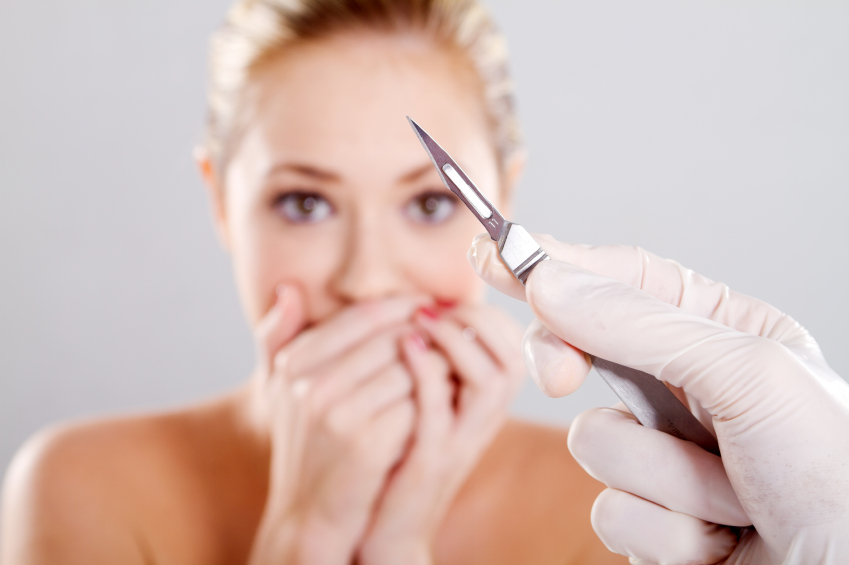
While most cases of surgical removal go undocumented, research shows that surgical removal is still by far the most common treatment for skin cancers, and it's not hard to see some persuasive reasons for its populatiry. Namely -
- It's easy,
- It's cheap,
- It's quick and,
- It sounds like a logical solution to the problem which makes sense to patients -
"Just cut the darn thing out!"
What's more, the process can in sometimes be quite straightforward. A typical scenario follows:
- You identify a suspicious mole or lesion and visit your GP or dermatologist to have it checked out.
- Your GP takes a biopsy and sends it away for testing.
- The biopsy results come back positive, so you are booked in to have the lesion surgically removed.
- If the cancer was small, this could be just a short appointment with your GP where the cancer is removed under local anesthetic with a scalpel.
Sounds easy right?
Unfortunately the example above is a little utopian. In reality, case studies are plagued with reports of misdiagnosis, disfigurement and all to often, reocurrence of the original lesion.
For example, is it not uncommon for a GP to skip step 3 of the above example and operate under the asumption that a lesion is cancerous from their visual identification only. In these cases there is a very real possibility of misdiagnosis, where lesion is actually non-cancerous and the patient is left with unnecessary scarring and a painful recovery process.
While the pain of surgery can be acute, it is also usually temporary. Scarring, on the other hand often remains for a lifetime. This is a major drawback of surgical removal given that skin cancers often appear on the face and neck, in the places you would least want to have a scar. To counter this, surgical removal often necessitates skin grafts or plastic surgery adding complications and cost to the treatment.
In some cases the location of a skin cancer makes it inoperable. This is sometimes the case when the cancer is in near vicinity to the eye, and can necessitate the complete removal of the eye in order to reach the cancer effectively. In such cases an alternative treatment is often sought.
Finally, perhaps the most significant drawback to surgery is the chance of reocurrance. Skin cancer is often likened to an iceberg. On the surface you may see a small lesion of a known shape and size, however under the surface, the story can be much worse. Like an iceberg, the skin cancer may spread much further underneath the surface with no visible signs atop. In some cases, two separate lesions on the surface may be one large asymmetrical cancer underneath. Unfortunately, it is almost impossible for your GP to know the extent of your lesion beneath the surface, and the extent of your incision is just a "best guess" or a balancing act between removing enough tissue to safely "assume" the cancer is completely removed, and removing as little tissue as possible to avoid unnecessary damage and disfigurement. Because of this ambiguity, often the cancer is not completely removed, only to grow and reocurr at a later date. Studies have shown that this scenario is all too common, with one study showing as many as 67% of surgical removal cases may eventually result in reocurrence!(2)
Traditional Surgery Vs Moh's Surgery There is a separate, specialised form of surgery known as "Moh's Surgery" that entails a lower chance of reoccurrence than traditional surgery. Still, Moh's has many of the same drawbacks. Moh's surgery is beyond the sope of this article. |
Understanding the implications of surgery, now we can extend the "typical" scenario from above with a few extra steps:
5. Manage the acute pain as the surgery heals.
6. Undergo plastic surgery or skin grafts, or wear the scars for the rest of your life.
7. (Possibly) Suffer a reocurrence months, years or decades later, then Start again at step 1.
It saddens me to paint such a grim picture of the most commonly administered treatment for skin cancer and it is not the intention of this article to discourage surgical removal in cases where it is the only treatment available. But for those who do suffer a reoccurance of a surgically "removed" cancer, or those who are treating a skin cancer for the first time and perhaps considering surgery as a tretment, there is a far superior treatment out there known as Curaderm BEC5.
Curaderm BEC5 is a topical cream that kills cancerous cells, while leaving healthy cells completely unharmed. This means that unlike surgery, there is no "collateral damage" from treatment with Curaderm. This makes the healing process much quicker and reduces the amount of scarring. In fact in many cases of treatment with Curaderm BEC5 there is no scarring at all, and it would be impossible to tell a cancer ever existed at the treated location.
What's more, many years of research and development have been invested in Curaderm's delivery mechanism. Curaderm has the ability to seep into the skin and target cancerous cells beneath the surface (remember our ice-berg analogy?). This makes treatment with curaderm extremely effective in removing all traces of the cancer, and reducing the chance of reoccurrence to practically zero - a feat that other treatments simply can't match.
Because of this, Curaderm has been described as a "Near Perfect" treatment for non-melanoma skin cancers, and rightly so.
| Comparison: | Curaderm BEC5 | Surgery |
|---|---|---|
| Effectiveness (Chance of treatment working to remove cancer): | High (Proven track record with 10's of thousands of successful cases) | High (Most common treatment for skin cancers) |
| Reoccurrence Rate (Chance of cancer returning at a later date due to incomplete treatment): | Low (As documented in clinical trials)(1) | High (30% to 67% in some studies)(2) |
| Suitability for tricky areas | High (Curaderm has been successful in cases where surgery was not an option, can treat both large and small cancers, and ) | Normal (Some areas may be hard to treat and may require removal of adjacent organs) |
| Cost | Low (One bottle costs less than $150, can treat numerous small lesions and can be self applied) | High (Reconstructive surgery is often necessitated) |
| Cosmetic results collateral damage | Minimal (Curaderm will only remove cancerous cells so damage is minimal) | Variable (Often requires reconstructive surgery or skin grafts to hide scarring) |
| Risks | Minimal (Curaderm only affects cancerous cells and has proven to have only minimal side effects in rare cases) | High risk of infection and cosmetic disfigurement. |
| Convenience | High (Patient administered, requires no intervention) | Medium (Cannot be self administered, but at least the surgery itself is quick) |
Treatment with Curaderm however, does take time. The cream must be applied twice daily, and a typical treatment regime can take around a week to over a month depending on the size of the lesion to be treated. Obviously the larger the lesion, the longer it may take to heal and hence the longer you will need to continue treatment with Curaderm.
At first, the process of applying a cream for weeks on end may sound arduous compared with a quick trip to the GP to have your cancer cut out but it would be careless to draw this conclusion.
Remember how Curaderm doesn't affect healthy cells? While you are treating with Curaderm and the cancerous cells are being killed, your body is also creating new helthy cells to replace them. This healing process takes place during treatment with Curaderm. In fact, it is strongly recommended not to stop treating with Curaderm until the lesion is completely healed over, and this is part of the reason Curaderm is so effective in completely removing the cancerous cells and therefore avoiding reoccurrence. It also greatly minimises any risk of infection by keeping the treatment site sterile during the healing process.
Obviously this is highly favourable over the lengthy, painful and risky recovery process that surgery would ential.
A note about Curaderm BEC5 and melanoma: Due to the fact that melanomas can spread very quickly with dire consequences, Curaderm BEC5 is not a recommended treatment for melanoma. The risk of a Melanoma spreading during treatment with Curaderm BEC5 is just too high. If you suspect you have a melanoma, please consult a qualified medical practitioner immediately to discuss your treatment options. |
From this article I hope you now understand why surgical removal of skin cancers is so common, yet far from ideal, and that there is an alternative "Near Perfect" treatment out there called Curaderm BEC5 which may well be as close to perfect as humankind will ever need in the treatment for non-melanoma skin cancers.
If you would like to purchase curaderm you can do so at our Curaderm Store by clicking here.
If you would like to learn more about Curaderm BEC5, you can sign up for a free copy of "The Eggplant Cancer Cure" by clicking here.
Citations:
(1)Punjabi, S., Cook, I., Kersey, P., Marks, R., Finlay, A., Sharpe, G. et al. (2000). A double blind, multi-centre parallel group study of BEC-5 cream in basal cell carcinoma. Eur. Acad.
Dermatol. Venereol. 14 (Suppl). 47-60.
(2)Sussman, L.A.E. and Liggins, D.F. (1996). Incompletely excised basal cell carcinoma: a management dilemma? Aust. NZ. J. Surg. 66, 276-278.
Subscribe to:
Posts (Atom)